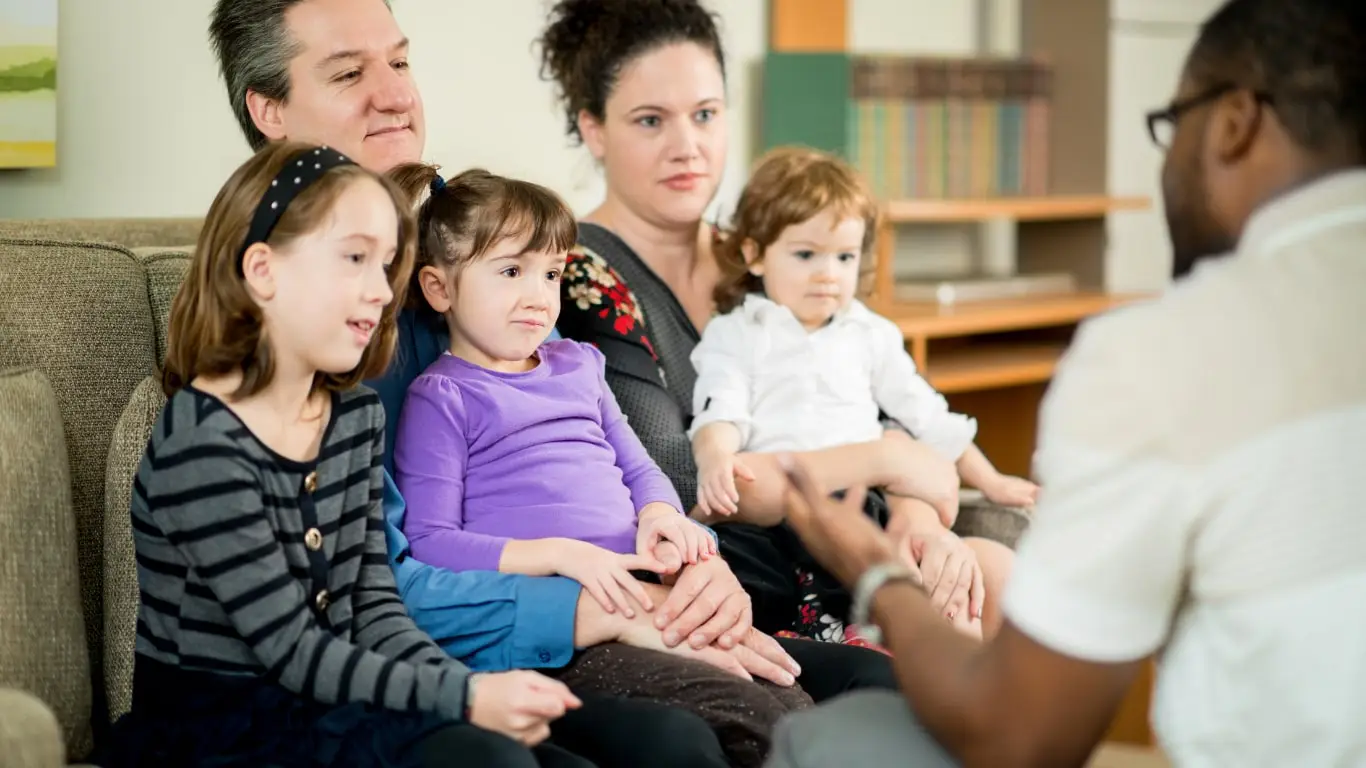


Building a new family after remarriage can be exciting, but it also brings emotional adjustments and challenges. Many families wonder how long it truly takes for everyone to feel comfortable and connected. With the right blended family support, patience, and healthy communication, families can gradually create strong and meaningful relationships.
Whether you are a parent, step-parent, or child entering a new family dynamic, understanding the adjustment process can make the transition smoother. In this guide, we will explore what blended families are, how long the adjustment period typically takes, and practical strategies to help your family thrive.
What Is a Blended Family?
Before discussing the adjustment timeline, it’s important to answer a common question: what is blended families?
A blended family, also known as a stepfamily, is formed when two partners come together and at least one partner has children from a previous relationship. The new household may include:
Step-parents
Stepchildren
Half-siblings
Biological parents from previous relationships
Blended families are increasingly common today. However, the merging of different parenting styles, traditions, and emotional histories can make the transition complex.
This is why many families seek professional blended family support to help everyone adjust in a healthy and supportive way.
How Long Does It Take for a Blended Family to Adjust?
One of the most frequently asked questions is: How long does it take for a blended family to adjust?
Experts generally suggest that it can take two to five years for a blended family to fully settle into their new dynamics. However, the exact timeline varies depending on several factors.
Factors That Influence Adjustment Time
1. Age of the Children
Younger children often adapt more quickly because they are still forming routines and relationships. Teenagers, however, may struggle more because they already have established expectations about family life.
2. Previous Family Experiences
If children experienced a difficult divorce or loss, they may need more time to process emotions before accepting a new family structure.
3. Parenting Styles
Different parenting approaches can create tension if not discussed openly. Consistent communication between partners is essential.
4. Relationship Development
Strong relationships take time. Step-parent and stepchild bonds often grow gradually rather than instantly.
Understanding that adjustment takes time helps families manage expectations and avoid unnecessary pressure.
Common Challenges Blended Families Face
While blended families can become incredibly strong, the early stages often involve certain challenges.
Some of the most common issues include:
Loyalty conflicts where children feel torn between parents
Discipline disagreements between biological parents and step-parents
Sibling rivalry between step-siblings
Communication misunderstandings
Different family traditions and routines
These challenges are normal and do not mean the family is failing. With proper blended family support, families can learn to navigate these difficulties successfully.

Practical Tips to Help Blended Families Adjust
Building a healthy blended family takes intentional effort. The following steps can help create a smoother transition.
1. Be Patient With the Process
Adjustment rarely happens overnight. Allow family members time to build trust and comfort naturally.
Avoid forcing relationships or expecting immediate closeness.
2. Prioritize Open Communication
Healthy communication helps prevent misunderstandings.
Encourage family members to share their feelings openly and respectfully. Regular family discussions can help address concerns before they become larger conflicts.
3. Establish Clear Family Rules
Consistency creates stability for children. Work together to establish household rules that apply to everyone.
Examples include:
Bedtime routines
Screen time rules
Household responsibilities
When expectations are clear, children feel more secure.
4. Create New Family Traditions
Blended families benefit from developing traditions that belong to the new household.
Examples include:
Weekly family dinners
Monthly family outings
Holiday traditions unique to your household
These activities help create a sense of unity and belonging.
5. Support Step-Parent Relationships Gradually
Step-parents should focus on building trust rather than immediately acting as disciplinarians.
Simple actions like:
Spending quality time together
Showing genuine interest in the child’s activities
Being patient and supportive
can gradually strengthen the relationship.
6. Seek Professional Blended Family Support
Sometimes families need outside guidance to navigate challenges.
Professional counseling can provide tools to:
Improve communication
Manage conflict
Strengthen relationships
Support children emotionally
Therapists experienced in family dynamics can offer personalized strategies that help blended families grow stronger together.
If your family is struggling with adjustment, professional guidance from experts such as the counselors at Quest Counseling Group can provide valuable support and direction.
Signs Your Blended Family Is Successfully Adjusting
Even though the journey takes time, there are clear signs that your family is progressing in a positive direction.
Look for these indicators:
Children begin interacting comfortably with step-siblings
Family members communicate more openly
Conflicts are resolved more calmly
Shared activities become enjoyable for everyone
The household develops consistent routines
These small improvements often lead to stronger bonds over time.
FAQ: Blended Family Support
How long does it take for a blended family to feel normal?
Most blended families begin to feel stable within two to five years. However, every family is different, and patience is essential during the adjustment period.
What is blended families in simple terms?
A blended family is a family formed when two partners come together and one or both bring children from previous relationships into the new household.
What is the biggest challenge in blended families?
One of the biggest challenges is balancing relationships between biological parents, step-parents, and children while maintaining open communication and mutual respect.
Should blended families seek counseling?
Yes. Counseling can help families navigate emotional challenges, improve communication, and build healthier relationships during the transition.
How can parents help children adjust to a blended family?
Parents can help by being patient, encouraging open communication, maintaining routines, and allowing children time to develop relationships naturally.

Conclusion
Adjusting to a new family structure takes time, patience, and understanding. While many families hope the transition will be quick, the reality is that most blended families need several years to fully adapt to their new dynamics.
By focusing on communication, creating shared traditions, and seeking professional blended family support when needed, families can build stronger relationships and create a stable, loving environment for everyone involved.
Blended families may face challenges, but with the right guidance and commitment, they can grow into supportive and resilient households.
Get Professional Blended Family Support Today
Struggling to navigate the challenges of a blended family? You don’t have to handle it alone.
The experienced counselors at Quest Counseling are dedicated to helping families strengthen relationships, improve communication, and create a healthier family dynamic.
Contact Us today to learn how professional counseling can support your family’s journey toward connection, understanding, and long-term harmony.