


Long-distance love can be meaningful, steady, and deeply rewarding, but it also asks couples to manage challenges that do not show up in the same way when partners live nearby. Counseling for Long-Distance Relationship Challenges gives couples a supportive space to improve communication, rebuild trust, navigate uncertainty, and create practical routines that help the relationship feel more secure. Whether you are dating across cities, managing military or work-related separation, studying in different places, or preparing to close the distance, counseling can help you move from surviving the distance to caring for the relationship with more intention.
Why do long-distance relationships feel so hard?
Long-distance relationships often feel hard because partners must build emotional closeness without the everyday reassurance of shared physical presence. Small misunderstandings can grow quickly when tone, timing, and context are missing, and each person may be carrying different expectations about communication, visits, money, privacy, and the future. Counseling for long-distance relationships helps couples name these pressure points clearly so they can stop treating every conflict as a sign of failure and start addressing the patterns underneath it.
Distance does not automatically mean a relationship is weak. In many cases, couples are committed, loving, and compatible, but the structure of the relationship requires stronger planning and clearer communication than they have needed before. When partners do not have a shared rhythm, they may start guessing what the other person feels or wants. Over time, those guesses can create anxiety, resentment, or emotional withdrawal.
Relationship therapy or relationship coaching can be especially useful because it gives both partners a neutral place to slow down. Instead of debating who texts more, who visits more, or who “cares enough,” the couple can explore what each behavior means emotionally. One partner may be asking for more contact because they need reassurance. The other may be pulling back because constant availability feels overwhelming. Both experiences can be valid, and both need room in the conversation.
The most common long-distance relationship challenges
Every couple is different, but long-distance relationships tend to bring certain issues to the surface. These challenges are not always dramatic at first. They often appear as repeated tension around small habits, then become bigger when couples avoid talking about them directly.
Common areas of strain include:
Communication mismatches: One partner may prefer frequent texts throughout the day, while the other feels more connected through longer calls a few times a week.
Trust and insecurity: Distance can make ordinary unknowns feel threatening, especially if there has been betrayal, secrecy, or past relationship trauma.
Unequal effort: Travel, planning, emotional labor, and schedule flexibility may fall more heavily on one partner.
Different future timelines: One person may want a clear plan to live in the same place, while the other needs more time or flexibility.
Conflict avoidance: Couples may avoid difficult conversations because they do not want to “ruin” limited time together.
Loneliness inside the relationship: Partners may love each other but still feel emotionally alone between visits.
These issues can be painful, but they are also workable when both people are willing to be honest. The goal is not to make distance effortless. The goal is to create a relationship structure that feels respectful, realistic, and emotionally safe for both partners.
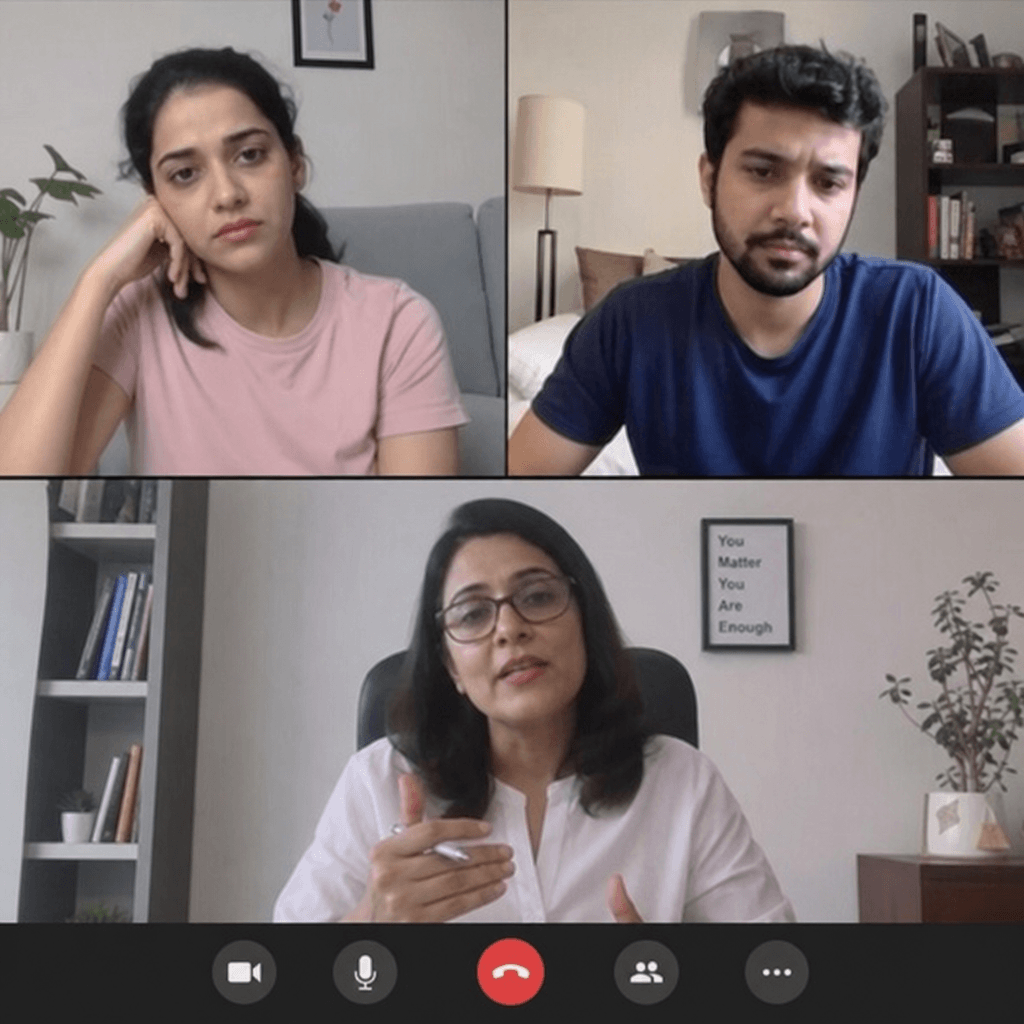
How counseling supports healthier communication
Communication is usually the first concern couples bring into counseling, but the issue is rarely just the number of messages exchanged. Healthy communication includes timing, tone, emotional availability, repair after conflict, and the ability to talk about needs without blame. Counseling helps couples look at the full communication system instead of focusing only on who called, who forgot, or who replied late.
A counselor may help partners identify their default conflict patterns. For example, one person may pursue conversation immediately when they feel anxious, while the other needs time to process before responding. Without guidance, this can become a cycle: the more one partner pushes, the more the other retreats. The more one retreats, the more the other panics. Relationship therapy can help both partners interrupt that cycle before it becomes the main way they relate.
Couples can also learn to communicate with more precision. “You never make time for me” might become “When we cancel calls without rescheduling, I start to feel unimportant.” That shift matters. It reduces defensiveness and makes the problem more solvable. Counseling for long-distance relationship challenges often focuses on these practical language changes because they can transform tense conversations into clearer requests.
Useful communication practices may include:
Setting expectations before the week begins. Talk about busy days, travel, deadlines, and realistic windows for connection.
Choosing the right medium. Text may work for logistics, while video or voice may be better for emotional topics.
Using repair phrases. Simple statements like “I said that badly” or “Can we restart this conversation?” help prevent spirals.
Naming needs directly. Instead of testing each other, ask for reassurance, space, attention, or clarity.
Protecting meaningful time. A planned call deserves the same respect as an in-person date whenever possible.
Trust grows through consistency, not surveillance
Trust can become complicated when partners are far apart. It is natural to want reassurance, especially when you cannot see each other’s daily life. However, reassurance and control are not the same thing. Strong long-distance relationships usually rely on consistency, transparency, and follow-through rather than constant checking, monitoring, or proving.
Counseling can help couples discuss trust without turning the conversation into an interrogation. If one partner feels insecure, the work may involve understanding where that fear comes from and what kind of reassurance is genuinely helpful. If the other partner feels accused or restricted, the work may involve setting boundaries while still showing care. Both partners need a relationship where honesty is expected and autonomy is respected.
Trust-building habits often look ordinary. Calling when you said you would call. Being honest about social plans. Admitting when you are tired instead of disappearing. Sharing changes in schedule before they become a surprise. These small actions create a track record, and that track record becomes the foundation for security.
Relationship coaching may be especially helpful for couples who are not in crisis but want better systems. Coaching can support practical agreements around communication, visits, conflict rules, and future planning. Relationship therapy may be a better fit when deeper emotional wounds, betrayal, anxiety, depression, trauma, or recurring conflict are affecting the relationship. In either case, the focus is on helping the couple relate with more clarity and care.
Creating rituals that make distance feel less distant
Long-distance relationships need rituals because rituals create continuity. Without shared routines, the relationship can start to feel like something that exists only during calls or visits. Intentional rituals remind both partners that the relationship is part of daily life, even when they are not physically together.
Rituals do not need to be elaborate. In fact, simple rituals are often easier to maintain. A good ritual is repeatable, meaningful, and realistic for both schedules.
Consider building rituals such as:
A weekly relationship check-in to talk about what felt good, what felt hard, and what needs adjusting.
A shared meal over video where both partners cook, order food, or sit down at the same time.
A morning or evening message routine that fits naturally into each person’s day.
A shared playlist, show, book, or game that gives you something light to enjoy together.
A post-visit decompression call to talk about the transition back into distance.
A countdown or planning ritual for the next visit, even if the exact date is still being discussed.
The point is not to fill every gap with scheduled interaction. Too much structure can feel pressured. The purpose is to create reliable points of connection so neither partner has to wonder when they will feel close again.
Planning for visits, money, and the future
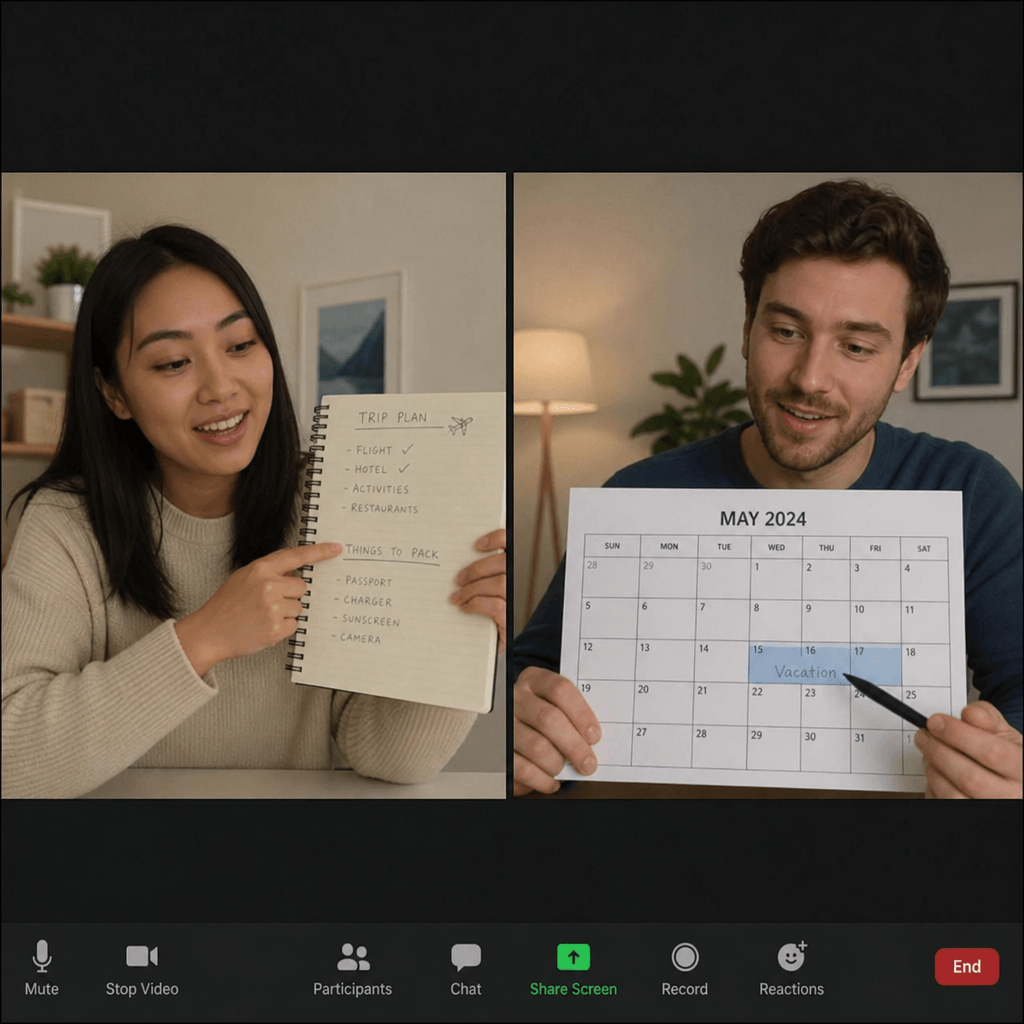
Practical stress can create emotional stress. Travel costs, time off, family expectations, work schedules, and school responsibilities can all affect how often partners see each other. If these topics are avoided, one person may silently carry more of the burden. Counseling gives couples a place to talk about logistics without shame or accusation.
A healthy planning conversation should include both immediate and long-term realities. In the short term, couples may need to decide who travels, how expenses are shared, how much notice is needed, and what a good visit looks like. In the long term, they may need to discuss whether the distance is temporary, who might move, what career or family factors matter, and what timeline feels fair.
A practical planning checklist can help couples start:
What is our next confirmed visit or best estimate?
How will we divide travel costs in a way that feels fair?
What do we each need during visits: rest, adventure, privacy, family time, or focused couple time?
Are we both clear about whether this distance is temporary, indefinite, or still uncertain?
What would need to happen before one of us could relocate?
How often should we revisit the bigger plan without pressuring each other every week?
These conversations can be emotional because they touch on commitment. Still, avoiding them usually creates more anxiety. Couples do not need every answer immediately, but they do need a shared willingness to keep the future visible.
When is counseling for long-distance relationships a good idea?
Counseling for long-distance relationships is a good idea when the same conflicts keep repeating, when one or both partners feel insecure or disconnected, or when the couple needs help making decisions about the future. It can also be useful before problems become severe, especially during major transitions such as moving away, starting a demanding job, beginning school, deploying, or preparing to close the distance. The earlier couples seek support, the easier it is to build healthier patterns before resentment hardens.
Some couples wait until they are close to breaking up before seeking help. While counseling can still be valuable during a crisis, it is not only for emergencies. Many couples use relationship coaching or therapy to strengthen what is already working and prevent predictable stress from becoming damaging.
You might consider support if you notice:
Conversations often end in tears, shutdown, or defensiveness.
One partner feels they are doing most of the emotional or logistical work.
Trust issues are leading to repeated questioning, checking, or secrecy.
Visits feel tense because too many unresolved issues are waiting.
You avoid future planning because it leads to conflict.
The relationship feels loving but unstable.
A counselor does not decide whether your relationship should continue. Instead, counseling helps both partners understand the relationship more clearly, communicate more honestly, and make decisions with less confusion.
Getting the most from relationship therapy or coaching
To benefit from counseling, both partners need to participate with openness. That does not mean both people must feel equally hopeful at the beginning. It does mean each partner should be willing to speak honestly, listen carefully, and practice new skills between sessions.
Before starting, it can help to clarify your goals. Some couples want fewer arguments. Others want help rebuilding trust, planning a move, improving intimacy, or deciding whether the relationship has a future. Clear goals give the work direction while still leaving room for deeper issues to emerge.
You can make sessions more effective by:
Being specific. Bring real examples instead of broad complaints.
Owning your part. Focus not only on what your partner does, but also on your reactions and choices.
Practicing between sessions. New communication skills become useful only when used in everyday moments.
Staying patient. Patterns that developed over months may take time to change.
Protecting the process. Avoid using counseling language as a weapon during arguments.
The strongest results often come when couples treat counseling as a shared investment rather than a courtroom. The aim is not to prove who is right. It is to understand what happens between you and build something healthier.
FAQ
Can long-distance relationship counseling work if we are in different locations?
Yes. Many couples attend sessions remotely from separate locations, which can make counseling more accessible for long-distance partners. The important part is having a private space, a stable connection, and a shared commitment to being present during the session.
Is relationship coaching the same as relationship therapy?
They can overlap, but they are not always the same. Relationship coaching often focuses on goals, communication habits, planning, and practical relationship skills. Relationship therapy may address deeper emotional patterns, mental health concerns, trauma, betrayal, or long-standing conflict. The right fit depends on your needs and the provider’s qualifications and approach.
What if only one partner wants counseling?
One partner can still benefit from individual support, especially if they need clarity, coping tools, or help communicating their needs. However, couples work is most effective when both partners are willing to participate. If your partner is hesitant, it may help to frame counseling as a way to strengthen the relationship rather than as proof that something is wrong.
Do we need to be in crisis to seek help?
No. Counseling for Long-Distance Relationship Challenges can be helpful before a crisis develops. Many couples seek support because they want better routines, clearer expectations, or a healthier plan for the future.
A stronger connection is built one clear conversation at a time
Long-distance relationships ask couples to be intentional. Love matters, but so do communication, trust, planning, and the ability to repair after difficult moments. With counseling for long-distance relationships, partners can learn to understand each other’s needs, reduce recurring conflict, and create routines that make the relationship feel steadier.
If distance is putting pressure on your relationship, you do not have to figure it out alone. Consider reaching out for relationship therapy or relationship coaching to get support, clarify your next steps, and begin building a more connected path forward together.